Even when teas begin with the same plant's leaves,
different ways of growing and processing them change their taste, aroma and how we enjoy them.
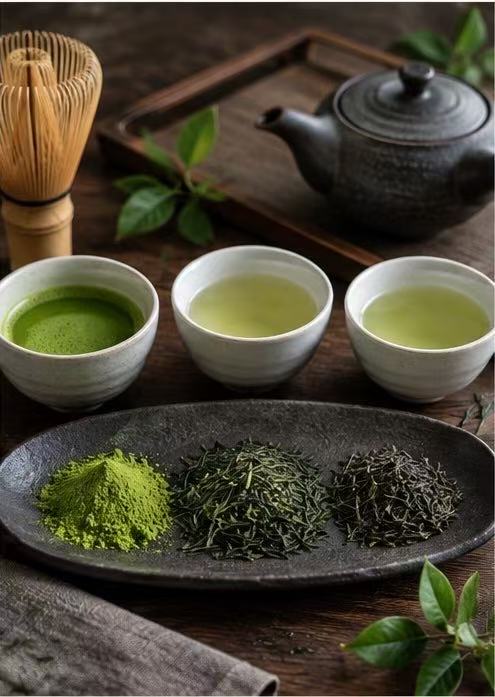
When choosing Japanese tea, “matcha”, “gyokuro” and “sencha” are names we often encounter.
We may know the names, but explaining exactly how they differ can be surprisingly difficult.
The key to understanding those differences begins with how the tea is grown in the field.
Sencha: growing in the sunlight
Sencha is one of Japan's most widely enjoyed green teas.
Ordinary sencha is made by picking new shoots grown in sunlight without covering the tea garden, steaming them, then rolling and drying them.
Alongside umami and sweetness, it offers a pleasant astringency and fresh aroma.
With a meal or during a daily break, sencha has the balance characteristic of Japanese tea.
Gyokuro: developing umami by shielding the light
Gyokuro, by contrast, is grown under covers that shield the tea garden from sunlight as the new shoots develop.
Limiting the light suppresses the formation of components associated with astringency and bitterness, making the leaves' umami easier to perceive.
After picking, the leaves are steamed, then rolled and dried in the same way as sencha.
Gyokuro's appeal lies in its rich umami and sweetness and the distinctive aroma produced by shade growing.
Brewing slowly with lower-temperature water makes its individual character easier to appreciate.
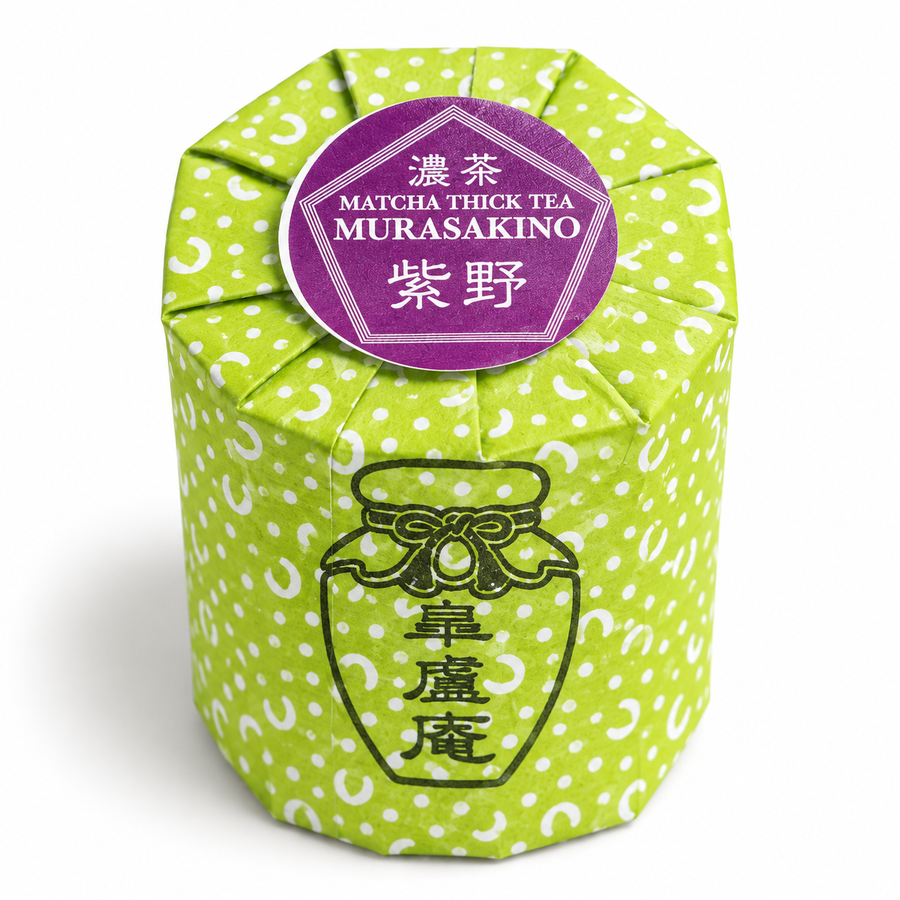
Matcha: drinking the tea leaves themselves
Matcha is also made from tea leaves grown with the sunlight blocked.
Its major difference from gyokuro, however, comes afterward.
Tencha, the raw material for matcha, is steamed after picking and then dried without the rolling used for gyokuro or sencha.
Stems and leaf veins are then removed, and the remaining tea is ground into a fine powder with a stone mill or other equipment to make matcha.
With sencha and gyokuro, components of the leaves are extracted into hot water.
With matcha, the powdered tea itself is mixed with hot water and whisked with a chasen.
Even among green teas, the way of enjoying them is different.
Comparing the three teas
| Sencha | Gyokuro | Matcha | |
|---|---|---|---|
| Cultivation | Generally grown in the open, without shading | Shade-grown | The raw material, tencha, is shade-grown |
| Processing | Steam → roll → dry | Steam → roll → dry | Steam → dry without rolling → grind into powder |
| How it is drunk | Extracted from the leaves with hot water | Extracted from the leaves with lower-temperature water, for example | Powder mixed with hot water and whisked |
| Character | A balance of freshness, umami and astringency | Rich umami and sweetness | Abundant umami and a distinctive aroma |
These differences are not simply a ranking from expensive tea to inexpensive tea.
Today, refreshing sencha with a meal.
Gyokuro on a day for quiet savoring.
Matcha when you want to enjoy the tea leaves themselves.
Each has a different way to be enjoyed.
Knowing more can change a cup
How the leaves were grown and how they were processed.
Knowing a little about that background can make the same cup of tea look different.
At KOKUSELECT, rather than asking which tea is best, we introduce the pleasure of finding the cup that suits you, together with the reasons each tea came to be and the culture of its land.
Discover Japan, one cup of tea at a time.