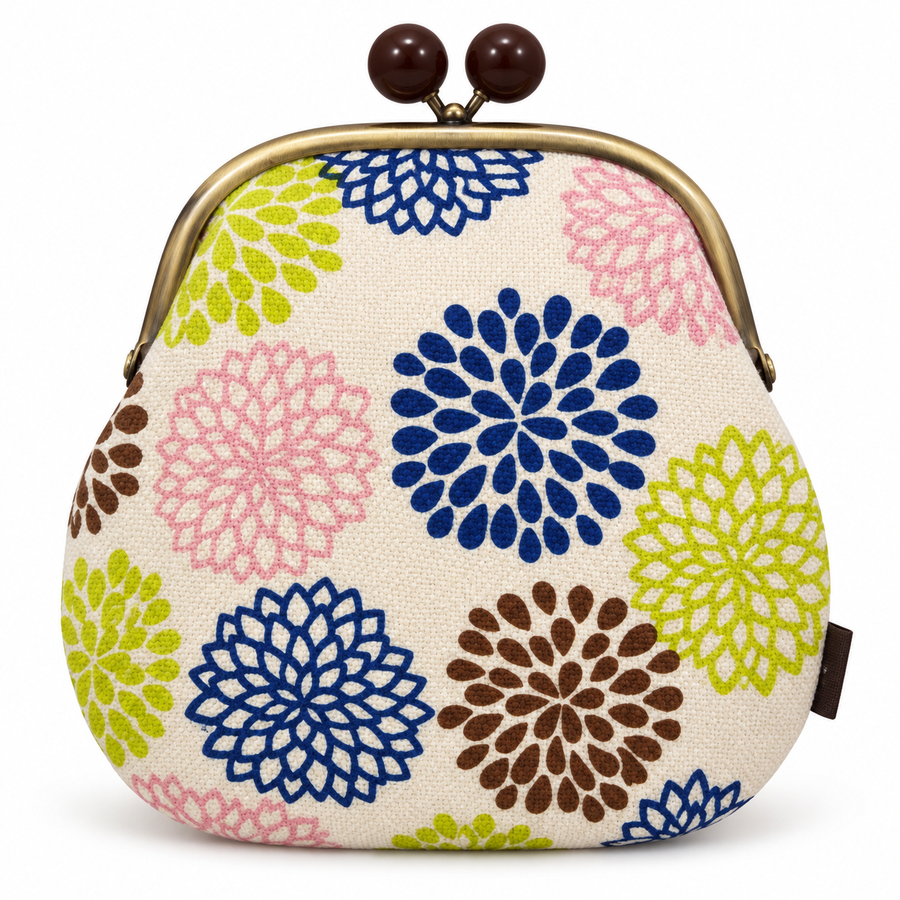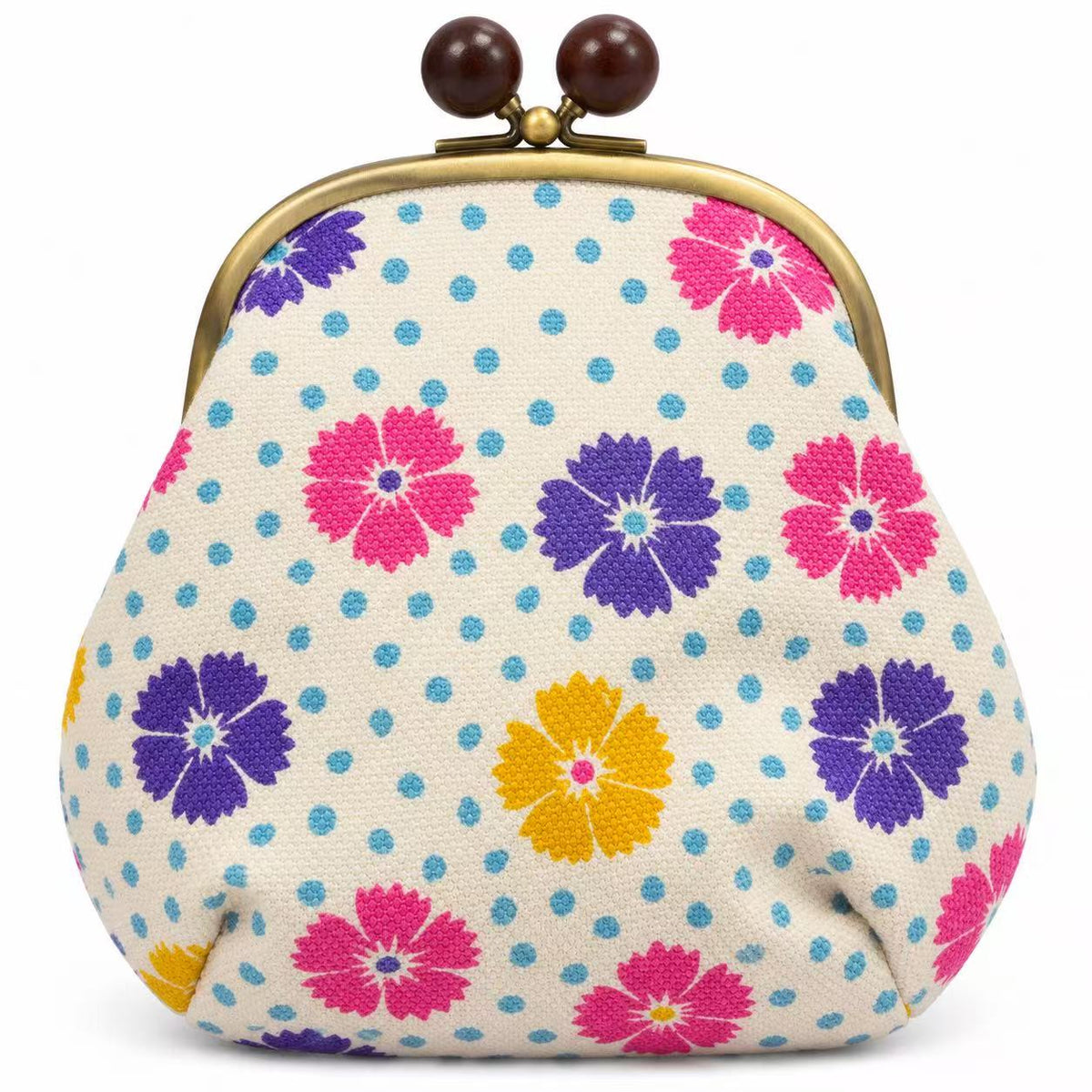
Japanese patterns reflect seasonal plants and flowers, along with auspicious motifs. Beautiful cloth takes new forms as table linens and everyday objects. Here we explore Japan's fabric culture and the appeal of small textile items that bring colour to daily life.
Nature and pattern, alive on cloth
Japanese dyeing and weaving feature many motifs: plants, flowers, birds, waves, clouds and geometric shapes. Garments preserved as cultural properties also include designs combining flowers and geometric forms, and seigaiha, a repeating wave pattern. Seen from a distance, these patterns create an orderly rhythm; up close, layers of small shapes emerge. Both expressions are part of their appeal.
Learning a pattern's name and origins can be enjoyable, but you do not need to memorise its meaning before using it. Start with a colour you like, a pattern that suits the tableware you already own or a flower that caught your eye this season. Even with the same pattern, the part that appears changes with where the cloth is cut, giving each piece a different view.
Setting the table with placemats and tea cloths
A placemat gently marks out the space for one person's tableware. Keep combinations simple to let the pattern stand out: pair a large-patterned cloth with plain plates, or choose a vessel that picks up one colour from a small pattern. The whole table need not be Japanese in style; the cloth can sit naturally alongside a wooden table or a white cup.
Tea mats and cloths laid out for tea create a small place for a teacup and a sweet dish. With a half-moon-shaped mat, changing the direction of its straight and curved edges lets you explore the relationship between the vessels and the space around them. Using a cloth beneath a vase or small decorative objects is another way to enjoy its character. A fabric mat, however, is not necessarily a heat-resistant trivet. Check its suitability before placing hot pots or tools used with a flame on it.
Wrapping, carrying and making use of shape
Part of the charm of textile accessories is the way a flat pattern becomes three-dimensional in use. A small pouch gathers keys and personal belongings; a cloth bottle cover offers the pleasure of dressing a bottle to suit its shape. When choosing cloth for wrapping, check the dimensions and fastening method, and avoid forcing an item into a space that is too small.
A bottle cover does not necessarily provide insulation or protection from impact. Separating the visual pleasure of everyday cloth from its practical functions makes it easier to enjoy for a long time. The colours and patterns you see each time you use it lend familiar objects a slightly different expression.
Looking at materials and construction, one piece at a time
Even with similar Japanese patterns, cotton cloth, thick canvas and padded mats differ in feel and handling. The Kyoto canvas brand 五色帆布堂 combines the natural character of canvas with dyeing techniques and contemporary designs. Table linens, meanwhile, each have their own makers, materials and sewing backgrounds. Similar patterns do not mean they share a brand or place of origin.
When choosing something labelled “Made in Japan,” check that product's country of manufacture and material information. Using Japanese-made fabric is not the same as finishing the product itself in Japan. Nor can a business address alone establish the specific region where a product was made. Gradually discovering what can be confirmed from the information provided is part of the pleasure of choosing.
Care suited to each fabric
Some mats can be washed, while some pigment-dyed canvas accessories are unsuitable for washing. Do not assume that all textile items are washable; give priority to the care label and product description. After placing wet tableware on cloth, moisture may remain in the fabric, so let it dry before stacking it away. Be mindful of colour transfer and friction, and handle the pattern and texture with care.
You can welcome a season with a single cloth or small bag, without making a major change to your room. Pair one Japanese pattern with a familiar object and keep using it in your own life. In that way, the culture carried in cloth becomes closer to home.
Cultural references: Cultural Heritage Online, “Katabira: Wisteria, Peony Bouquets, Flowing Water and Seigaiha Pattern on White Hemp Ground”; Cultural Heritage Online, “Karaori: Seigaiha, Sea Pine, Shell and Tachibana Pattern on White Ground”. For each product's materials, country of manufacture and care instructions, check its individual product page.